expedition & workshop philosophy
Part of the living world might seem hidden. Not because it is far away, nor because it is unaccessible. It feels hidden because we haven't fully learned how to notice beyond simply seeing.Our expeditions are invitations into that practice: learning about the life surrounding us, slowing down, searching carefully, reading the small signs of life, and using art such as photography as a way of paying attention. Guided by field biology and natural history, we look for the stories beyond the images: the behavior, the habitat, the relationships, and the simple curiosity.We measure success not only by the notes, drawings, and photographs we bring home, but also and possibly primarily by the attention we cultivate; a deeper, more curious, more ethical way of moving through, and interacting with the world.
share the field
Our commitment to reciprocity, local partnership, and shared time in nature
Travel and discovery should be reciprocal. In each workshop or expedition, we aim to reserve a portion of our time for locally requested community exchange in the form of nature walks, active-learning sessions, photography mentoring, school visits, or other activities developed with local partners.We work with local guides, educators, conservation groups, or community partners to identify the type of contribution of time that would be welcome and useful and find where our expertise can be the most useful. We offer to share what we know best: careful observation, natural history, photography, field skills, and curiosity about the living world.This commitment is about openness, gratitude, reciprocity, and sharing the field with the people whose home places make these experiences possible.
Click below to find out about our upcoming expeditions and workshops!
current expeditions & workshops

Costa Rica

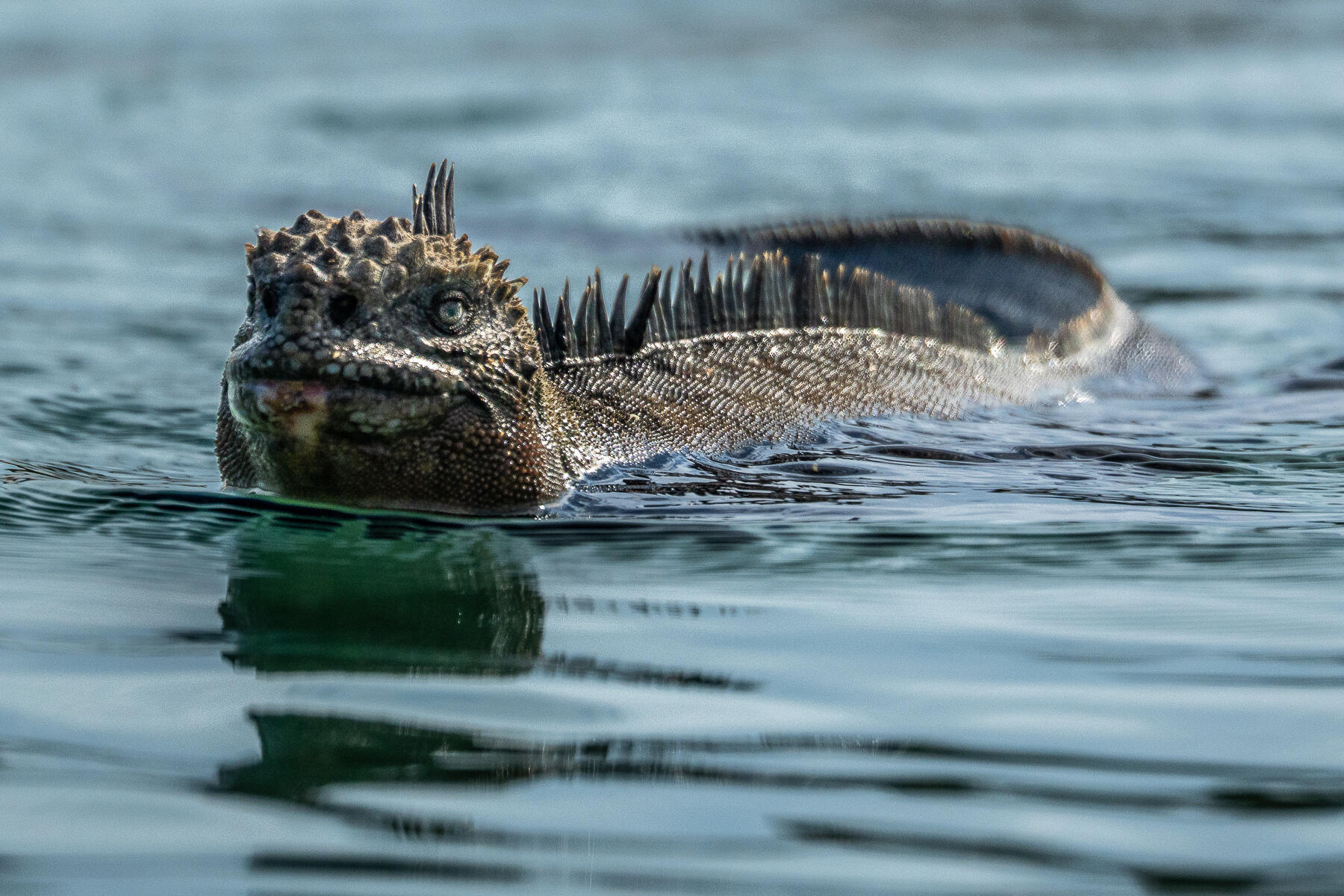
Galápagos Islands
HIDDEN LIFE
IN COSTA RICA
Finding and Photographing Biodiversity
THE WORLD GETS BIGGER WHEN YOU NOTICE THE UNSEEN
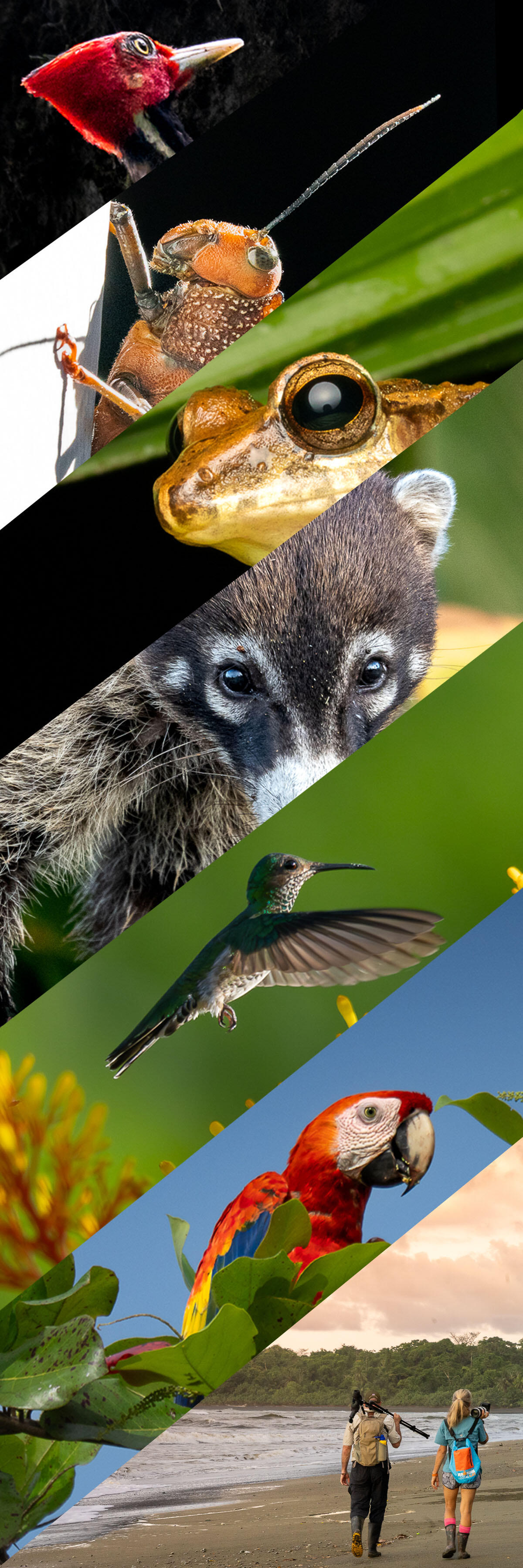
Costa Rica is famous for toucans, monkeys, and scarlet macaws (and we'll find those too).
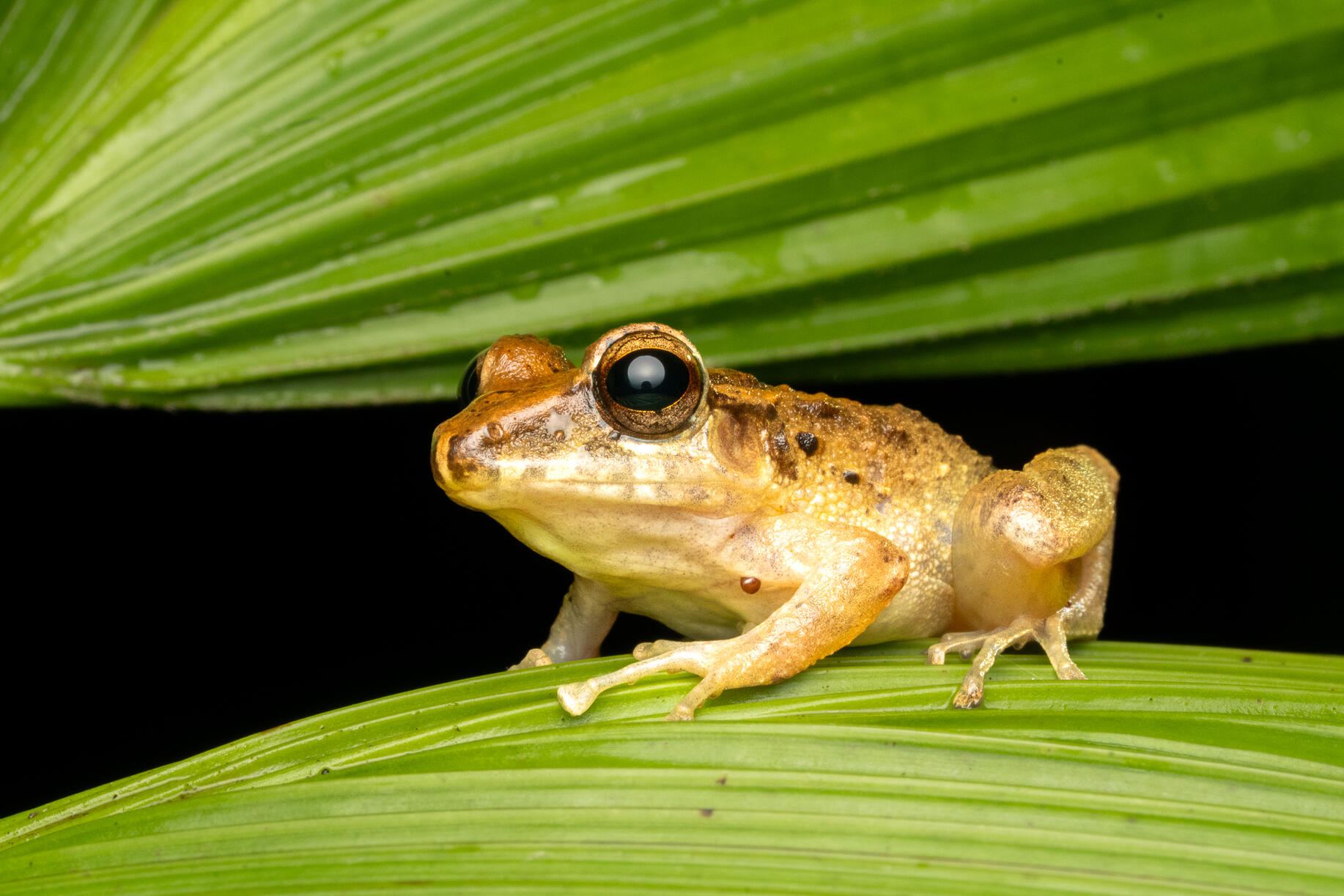
However, our small-group expedition is built around quieter encounters: the frog on a wet leaf, the moth at the light sheet, the spider guarding her eggs.
Based at Topanga Villa in Ojochal in the Southwest of Costa Rica, we'll work across rainforest, mangroves, and coast, with time to shoot, edit, and rest between outings.
This expedition is about more than just photography: it is about learning to notice, understand, and photograph the hidden life all around us.
our Expedition at a glance
HOME BASE:
Topanga Villa, Ojochal, Puntarenas, Costa Rica
DATES:
Main workshop:
Dec. 12–18, 2026 (7 days & 6 nights)
Optional Corcovado extension:
Dec. 18–19 (2 days & 1 night)
ONE-ON-ONE ATTENTION:
Limited to 10 photographers with 3+ experienced guides at all times.
YOUR TEAM:
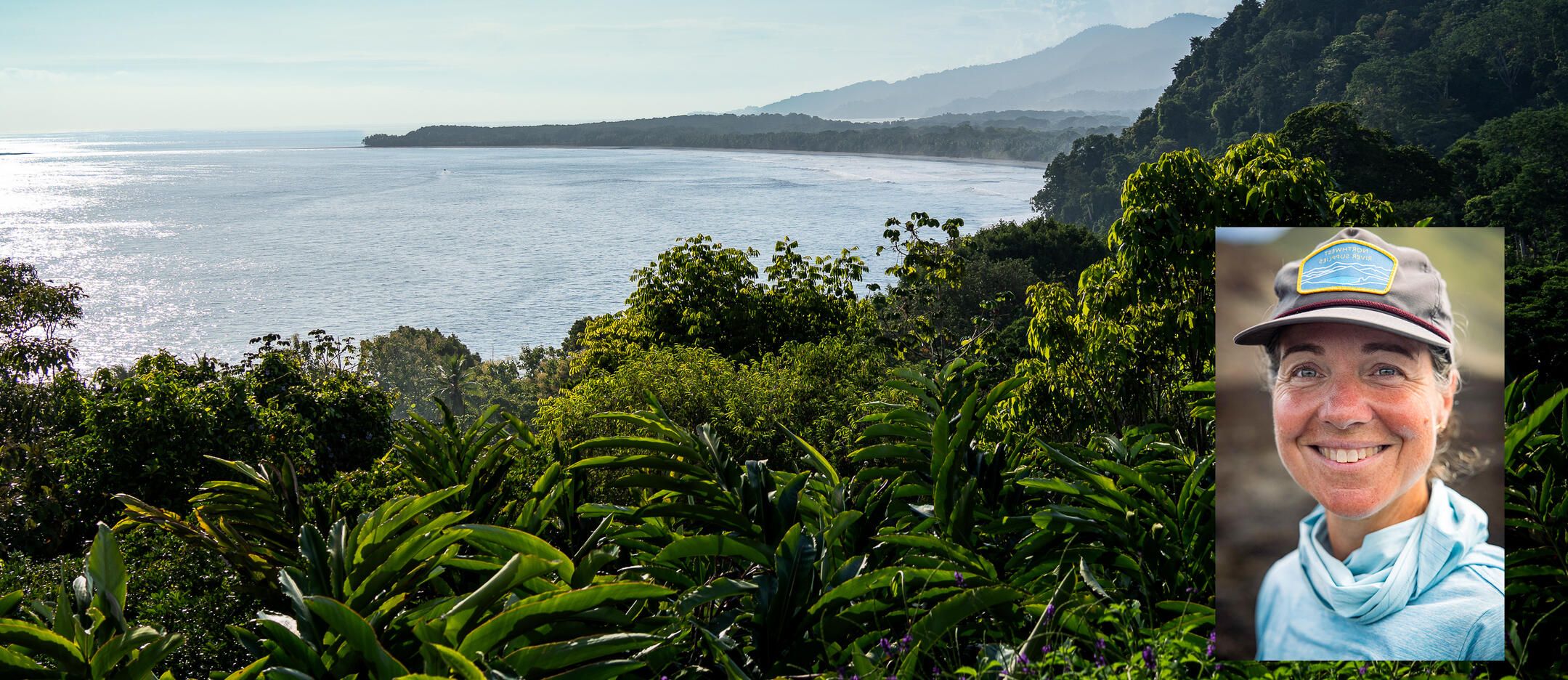
• Christine Parent, Ph.D. Tour leader, field biologist & photographer
• Luke Harmon, Ph.D. Herpetologist
• Costa Rican Guides: Eugenio García and Dionisio (Nito) Paniagua
PRICING SUMMARY:
• Main expedition: US$4,750
• Companion registration: US$2,200
• Optional extension: US$1,200
PAYMENT SCHEDULE:
• $1,000 to reserve your spot
• 50% remaining balance due Sep. 15, 2026
• Final balance due Oct. 15, 2026
INCLUDED:
All domestic transport, meals, lodging, guiding and instruction.
EXTENSION ALSO INCLUDES:
Transport to Corcovado and back, meals, lodging, and guiding.
NOT INCLUDED:
Airfare to San José international airport (SJO), insurances, and companion activities.
What makes our expedition different
Led by a field biologist, who also happens to be a photographer
Christine Parent is an evolutionary biologist, National Geographic Explorer, university professor, expedition naturalist, and wildlife photographer. She has spent more than two decades conducting biodiversity fieldwork in remote places such as Ecuador (including the Galápagos), Peru, Chile, Costa Rica, Japan, the Solomon Islands, Tanzania, and the USA.Christine's specialty is creating opportunities for people to notice the creatures most of us walk past.
A luxury villa base, no hotel-hopping
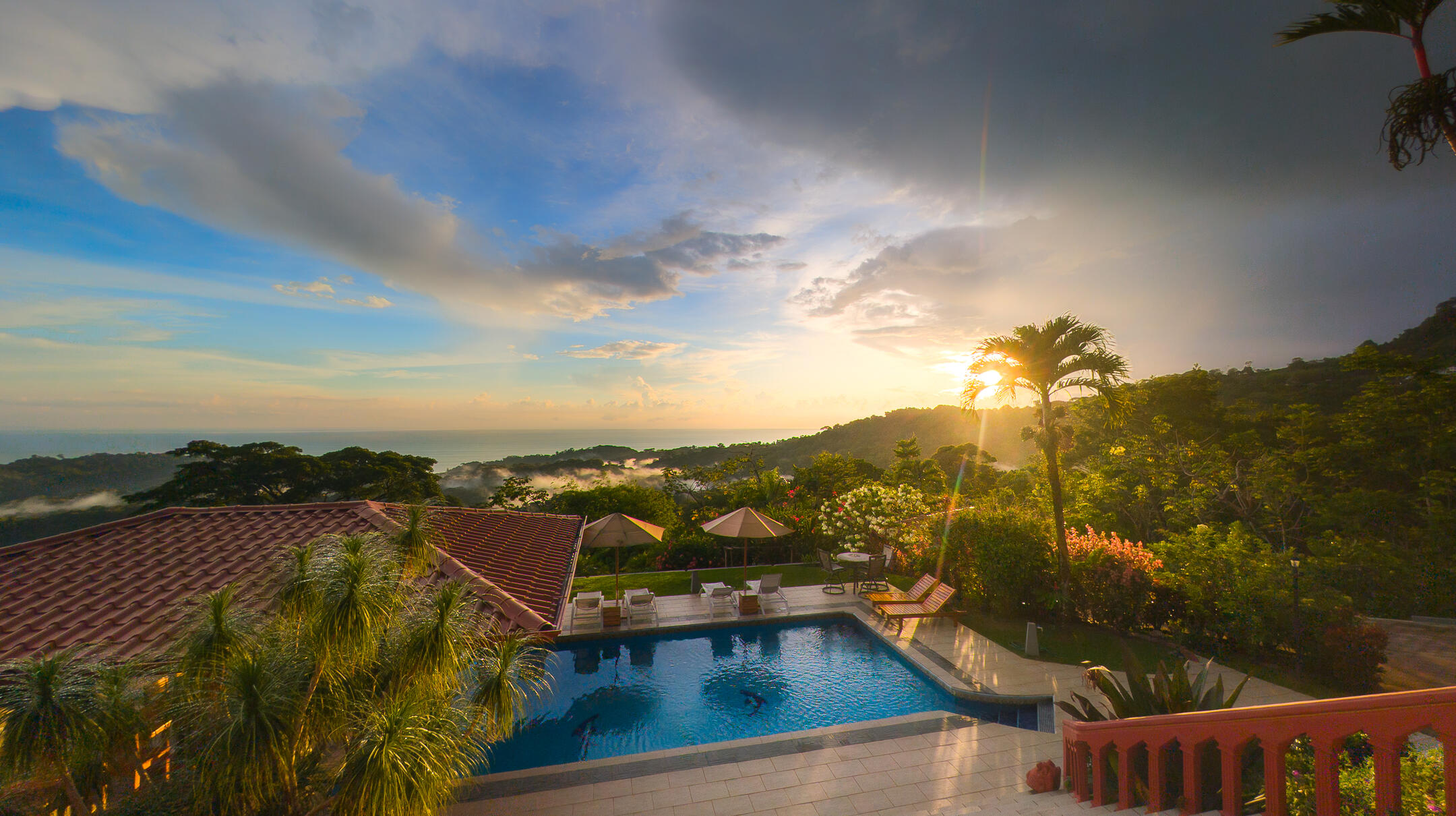
We will be based at Topanga Villa, a private luxury estate in Ojochal, province of Puntarenas, with spacious rooms, beautiful gathering spaces, a pool, excellent food, and access to Costa Rica’s southern Pacific habitats.This gives our expedition a different rhythm: field sessions, chef-prepared meals, image review, rest, night walks, and time to build community without constantly packing and moving.
Macro, wildlife, natural history, and story
While focusing on wildlife, macro and close-focus photography, our expedition is not only about the technical aspects of photography. We will work on fieldcraft, behavior, composition, lighting, storytelling, image selection, and how to capture a wildlife encounter that tells a story.
Want a better feel for what we’ll be photographing? View the Costa Rica Gallery.
Small group, one-on-one attention
Our expedition is limited to 10 photographers, with option for non-photographer companions sharing rooms. Photographers will be fully immersed into workshop activities with at least 3 guides at all times, whereas companions will have alternative activity options. Meals will be shared with everyone.The small group keeps the experience personal, flexible, and responsive to conditions.
Open to travel companions
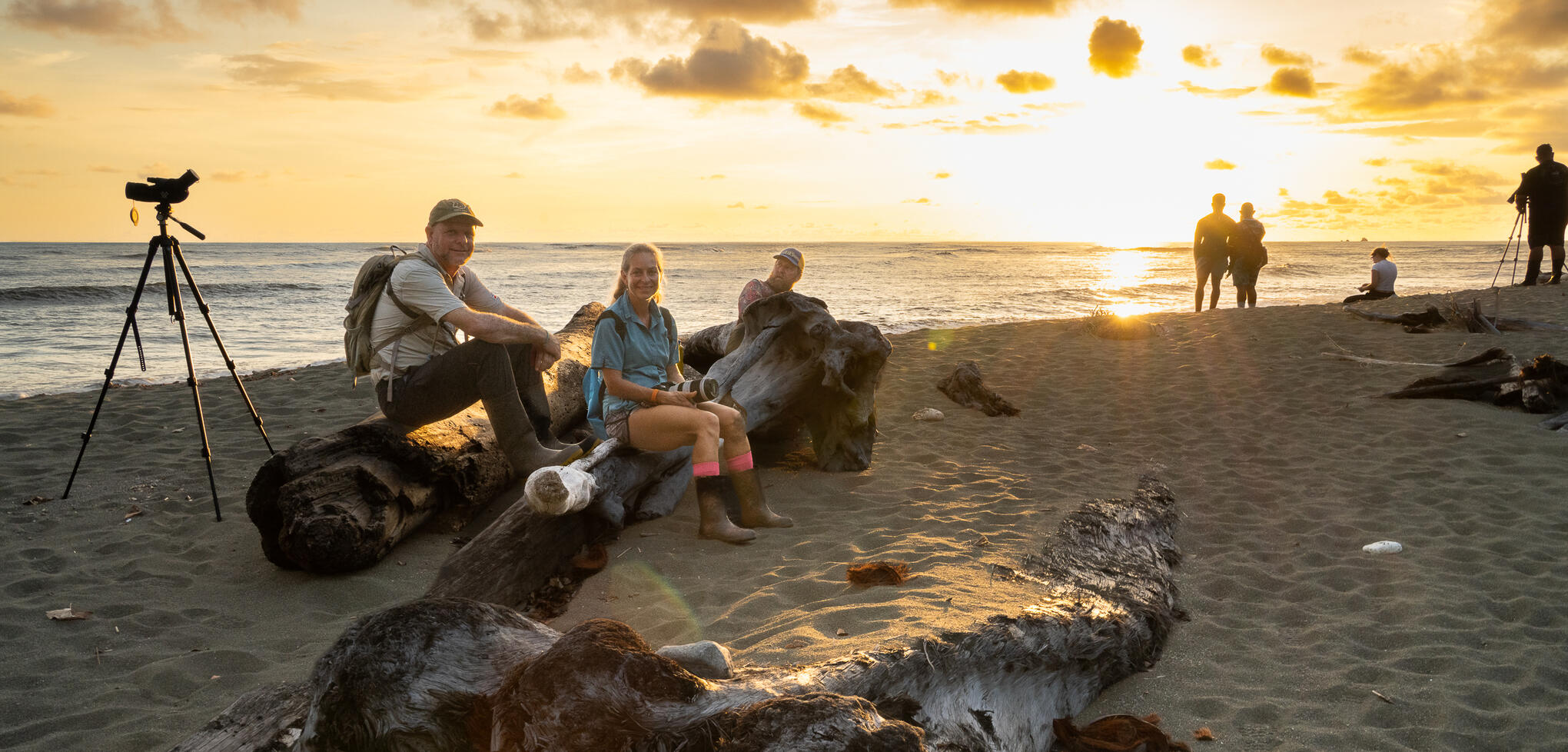
Photographers are welcome to bring a travel companion. Each photographer will have a private room, which may be shared with a companion at a reduced rate.Companions are invited to enjoy the villa, meals, pool, gardens, and relaxed group time. They may also join some scheduled outings when space and logistics allow, but the photography instruction, field coaching, and image review sessions are designed for registered photographers.Alternative activities for companions will be offered during the expedition. These activities are not included in the registration fee and can be arranged separately.This is a good option for partners or friends who want to experience Costa Rica, enjoy the setting, and be part of the trip without participating fully in the photography workshop.
Share the Field: local exchange
As part of our broader expedition philosophy, the expedition team will reserve time for a locally organized community exchange (for example nature walks, active-learning sessions, photography activities, and/or school visits) to be developed with our Costa Rican partners.The goal is to share what our team knows best: careful observation, natural history, field skills, photography, and curiosity about the living world. The exact form of this exchange will be developed with local partners and will depend on local interests, school schedules, weather, and expedition logistics.
Who this is for
Our expedition is for you if:
You love wildlife, and are especially curious about the small, strange, overlooked things.
You want to improve your field photography without being buried in gear talk.
You like natural history as much as (or more than) camera settings.
You want a mix of field time, learning, good food, comfort, and adventure.
You are excited by frogs, insects, spiders, lizards, fungi, plants, birds, mammals, and the occasional complete surprise.
You are comfortable with uneven trails, night walks, humid conditions, and the reality that wildlife does not take requests.
You do not need to be an expert photographer. In fact, this is your opportunity to learn and develop your skills. You should be comfortable using your equipment and interested in learning and sharing.
What you’ll learn
Finding the Unseen
How to slow down, scan vegetation, read edges, search leaf litter, notice behavior, and find small subjects without trampling the place you came to see.
Macro & Close-Focus Technique
Working distance, backgrounds, depth of field, diffused flash, natural light, tripod vs. handheld approaches, and practical field settings.
Camera Traps & Hidden Wildlife
How to approach elusive mammals, reptiles, and birds: where to place camera traps, how to read signs, and how to photograph animals you may not see directly.
Ethical Wildlife Photography
How to photograph small animals responsibly, minimize stress, avoid habitat damage, and put the welfare of the subject first.
Image Review & Storytelling
How to choose, edit, sequence, and refine images so they become more than isolated wildlife portraits.
Most importantly, we will focus on transferable skills: ways of looking, listening, searching, tracking, photographing, and asking questions that you can use at home or anywhere you travel as you continue your own journey of biodiversity discovery.
The setting: Topanga Villa, Ojochal
Above: Photos taken at Topanga Villa
Our home base is Topanga Villa, a private luxury property in Ojochal, between the mountains and the sea. After humid field sessions, night walks, and early mornings, you will return to a place where you can eat well, rest, edit, swim, talk, and recharge.Each photographer will have their own room, which can be shared with a travel companion at a lower rate if desired.Our base is surrounded by primary forest with a trail system leading to a small river with its own private swim hole and waterfall. Birds, insects, tropical flowers, reptiles and amphibians are all within walking distance. Topanga Villa will offer a soft landing for our field-based workshop.Workshop atmosphere: curious, generous, comfortable, field-focused, and intentionally small.
MEET YOUR GUIDES
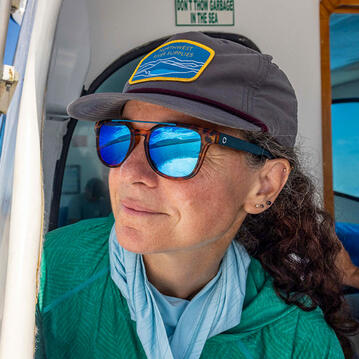
Christine Parent, Ph.D.Expedition Leader · Evolutionary Biologist · National Geographic Explorer · Wildlife PhotographerChristine is an evolutionary biologist, National Geographic Explorer, professor, expedition naturalist, and wildlife photographer. She has spent over two decades doing fieldwork in places like Ecuador (including the Galápagos), Peru, Costa Rica, Chile, Japan, the Solomon Islands, Hawaiʻi, and Tanzania.As The Snail Hunter, Christine combines science, photography, and storytelling to help people notice the overlooked lives around them — frogs, insects, snails, spiders, lizards, and the small dramas most travelers walk past. She is fluent in English, French, and Spanish, with a good level of German.
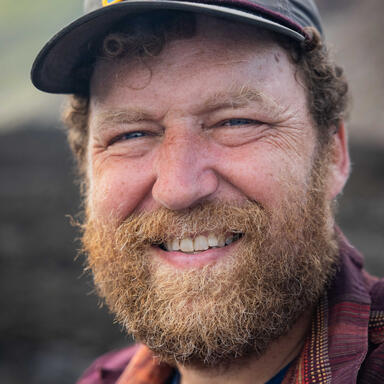
Luke Harmon, Ph.D.Evolutionary Biologist · Naturalist · Expedition Co-LeaderLuke Harmon is an evolutionary biologist, professor, naturalist, and educator whose work explores how life diversifies across the tree of life. He brings deep scientific knowledge, years of teaching experience, and a generous, curious approach to field learning.On this expedition, Luke will help find reptiles and amphibians (his favorites) and connect wildlife encounters to bigger evolutionary stories such as why animals look, move, behave, and diversify the way they do. He brings humor, field experience, and practical support to the group.
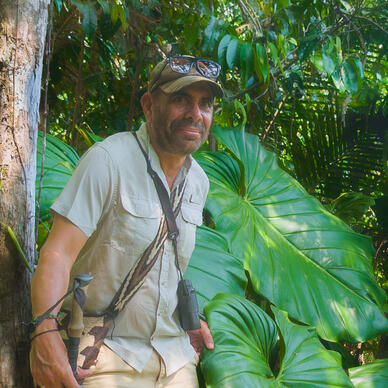
Eugenio GarcíaCosta Rican Naturalist Guide · Wildlife Expert · Local Field LeaderEugenio García López is a Costa Rican naturalist guide, conservationist, and founder of JourneySouth EcoTravel. Born in the Turrialba Valley, he grew up surrounded by rivers, volcanoes, and rainforest, and developed an early love of nature that became the foundation of his career. At 16, he represented Costa Rica in Operation Raleigh, an international scientific expedition sponsored by the Prince of Wales, and later studied biology, ornithology, natural resource management, and conservation.Eugenio has worked with the Costa Rican National Park Service, guided university and international groups, and helped restore more than 800 hectares of former grassland in the Talamanca mountains. He brings the local expertise that makes a trip like this work: where to go, what to listen for, when to look, and how to move through the forest with care. During the workshop, he will help guide field sessions, find wildlife, interpret Costa Rican ecosystems, and connect the group to the hidden life of the rainforest, coast, and forest edges.
Workshop highlights
Seven days & six nights at Topanga Villa
Maximum 10 photographers
Option to invite a travel companion
Chartered flights and private shuttles for our group transportation
Chef-prepared meals
Rainforest field sessions
Night walks for frogs, insects, spiders, and nocturnal life
Macro, close-focus, and long distance bird photography instruction sessions
Constructive image review and editing sessions
Beach & coastal landscape session
Mangrove, estuary, and coastal forest boat excursion
Light sheet / insect attraction sessions
Natural history talks woven into the field experience
Optional 2-day Corcovado extension
Above: Photos taken on the mangrove tour on Sierpe River.
PLANNED ITINERARY & SCHEDULE
Day 1: Arrival
Fly San José to Quepos, shuttle to Topanga Villa, settle in, and meet the group.Day 2: Finding the Unseen
Field practice near base: habitat reading, searching, camera traps, bird show and night walk.Day 3: La Cusinga Coast
Coastal forest and shoreline: wildlife, plants, landscapes, textures, and stories.Day 4: Choose-Your-Focus Day
Independent practice, one-on-one sessions, and optional local activities.Day 5: Sierpe Mangroves
Boat outing for birds, reptiles, monkeys, river wildlife, reflections, and rainforest views.Day 6: Rainforest Technique
Field photography near Topanga, followed by final image review and discussion.Day 7: Departure
Main expedition guests return to SJO.Extension Day 1: Corcovado
Early transfer to Corcovado, all day field time.Extension Day 2: Corcovado
Morning field time, then return to San José via Drake Bay flight.
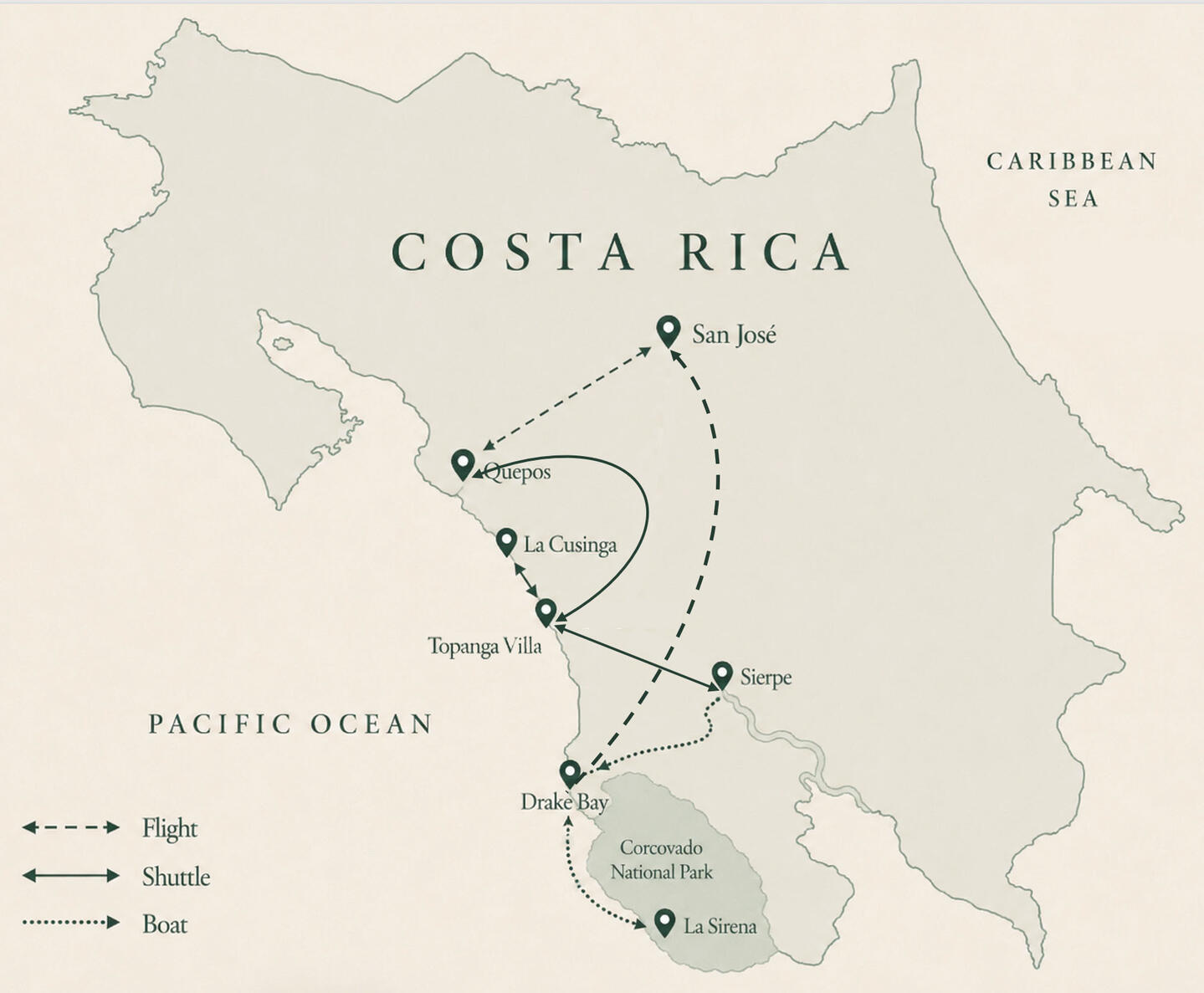
Above: Map of Costa Rica including planned visit sites for the expedition.
Optional Extension: corcovado national park
Above: Photos from Corcovado National Park, Costa Rica
DATES: December 18–19, 2026 (2 days & 1 night)
COST: $1,200/person
Boat access via Sierpe and Drake Bay
Travel through the river, coast, and rainforest edge on the way into the park. Possibility to see two species of dolphinsLa Sirena field time
Explore the lowland rainforest around one of Corcovado’s most wildlife-rich areas.Deeper rainforest photography
More time for mammals, birds, reptiles, amphibians, insects, plants, tracks, textures, and forest scenes. This is your chance to possibly see tapirs, collared peccaries, more monkeys, coatis, anteaters, toucans, scarlet macaws, army ants, basilisks, tree anoles, kingfishers, crocodiles, to name a few.Small-group extension
A more immersive add-on for guests who want to keep exploring after the main expedition, with a guest:guide ratio that remains small at 5:1 or lower.The extension package includes private boat transport, lunch, dinner, breakfast, overnight lodging at the station, and guided walks.Our expedition extension is open to both photographers and companions at the same per-person price. Space may be limited, and the exact logistics will depend on final boat schedules, number of participants, park access, etc.
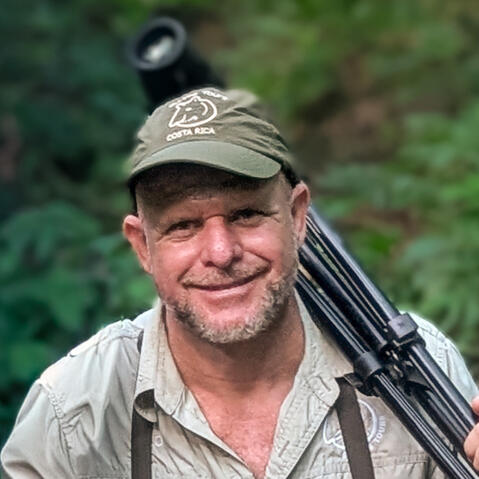
Nito (above) will guide our walks through the Corcovado forest. Nito is regarded as one of the best naturalist guides in Costa Rica and is known worldwide for his ability to find and interpret wildlife that most people would miss. With deep local knowledge, sharp field instincts, and years of experience in the Osa Peninsula, he brings the forest to life, from tracks and calls to birds, mammals, reptiles, insects, and the hidden stories unfolding all around us.
ready to join us?
Space is limited, and rooms at Topanga Villa are unique. A US$1,000 deposit reserves your spot, and accommodations will be assigned by preference in the order deposits are received.If the expedition minimum is not met by Aug. 15, 2026, deposits will be refunded. Once the expedition is confirmed, the remaining balance will be paid in two installments.Reserve your spot early for the best choice of rooms!
Hidden Life
in Costa Rica:
Participant Preparation Hub
Everything you need to prepare for the December 2026 field biology and photography workshop.
Welcome! This page gathers the key information you’ll need before joining Hidden Life in Costa Rica. This hub will grow as we get closer to departure. Start with the essentials below; additional resources will be added later this summer and again about 90 days before departure. Final trip reflections and shared resources will appear after the adventure.
Start here
Begin with the essential trip information, forms, deadlines, and planning basics. These documents will help you understand the workshop structure, reserve your place, complete required forms, and begin making travel plans.
Available documents:
prepare for the field
Resources to help you pack, prepare your camera, and begin practicing the field skills we’ll use in Costa Rica. These materials will be added later this summer as the trip details take shape.
Coming soon:
Final Trip details
To be posted 90 days before departure: final joining instructions,cconfirmed transfer schedule, arrival & departure instructions, emergency contacts, communication plan, weather & field conditions update.
after the adventure
You will have access to post-trip resources, including species & observations lists,
image sharing instructions, workshop slideshow, feedback form, storytelling follow-up, future workshop interest survey, etc.
GALÁPAGOS EXPEDITIONS
Evolution, photography, and natural history in one of the world’s most pristine archipelagos
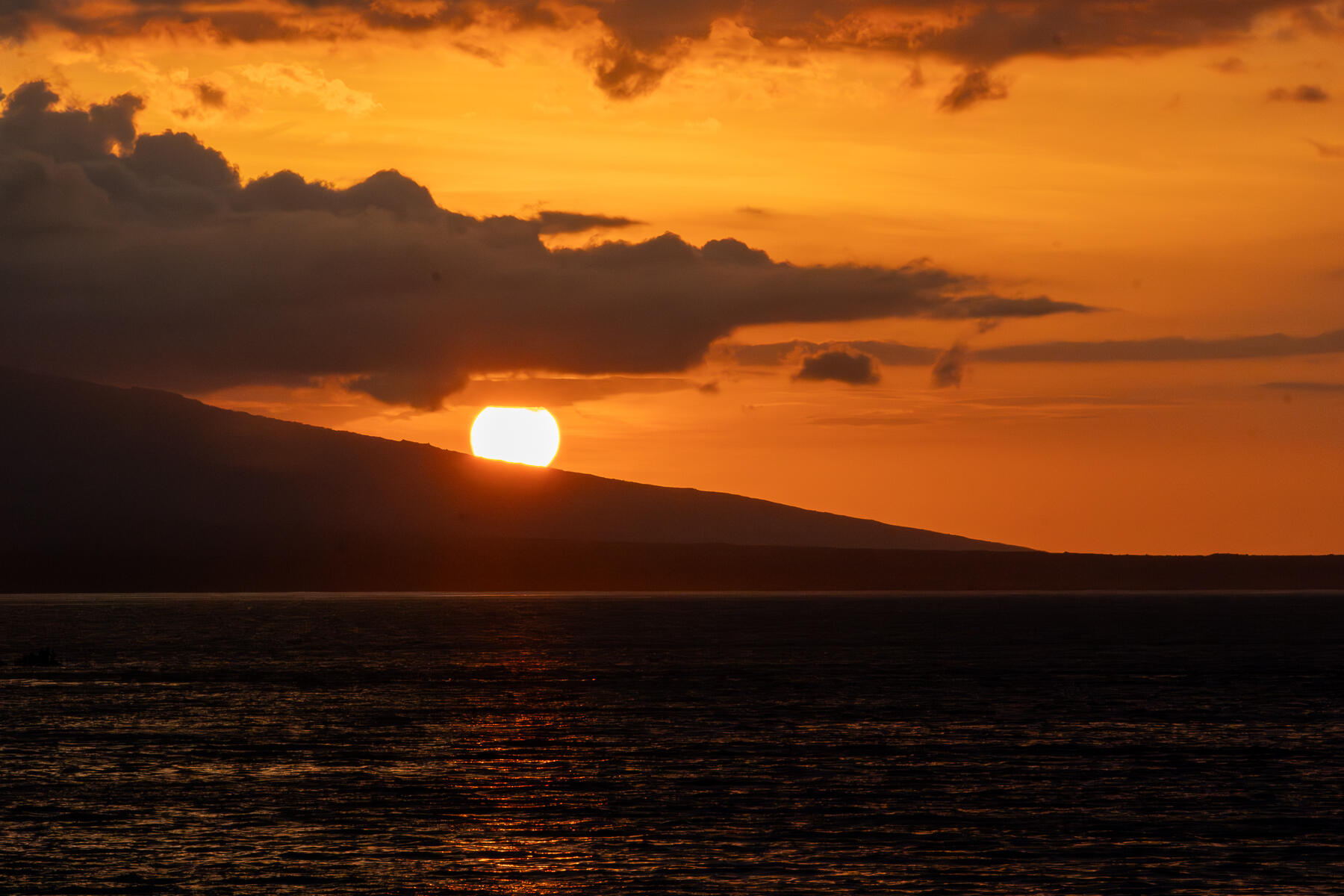
February 2026 Expedition with Adventure Canada
View the photo gallery from my February 2026 Galápagos expedition here. Learn about Adventure Canada here.
March 2027 Expedition
I am planning a return to the Galápagos in March 2027. More details will be posted here once they are confirmed and ready to share.
Custom Galápagos Trip Planning
Planning your own Galápagos trip? I can help you shape a more meaningful experience informed by a field biologist’s perspective, with advice on itineraries, islands, wildlife, photography goals, and natural history.